Verticals
Supplements in AI answers: what we look at, and what it proves
 Neha3 min read
How we run a dated observation of how a supplement brand appears in AI answers, what it can support, and the three things it cannot.

We send supplement founders a short deck showing how their ingredient appears in AI answers. Shilajit. Karbolyn. Whatever the brand is known for.
Founders ask a fair question in reply: how did you get that, and what is it worth? This is the whole method, including the parts that limit it.
What we run
We write down a set of prompts a real buyer would type. Not category prompts. Buyer prompts, with the qualifiers people actually use. Best shilajit supplement. Shilajit third-party tested. Is shilajit safe with blood pressure medication.
We run each one on the assistants that matter for the brand’s market, on a single day, and we record what came back verbatim: which brands were named, what reason was given for each, and what the answer cited.
Then we note the date, the platform and the exact prompt on the slide. Every figure in the deck is anchored to those three things.
What it can support
Three kinds of finding survive this method, and they are the ones worth acting on.
The first is a factual error about the brand. An assistant describing a product in the wrong format, at the wrong pack size, or attributing a certification the brand does not hold. That is traceable to a source, and the source is almost always something the brand publishes and has never checked.
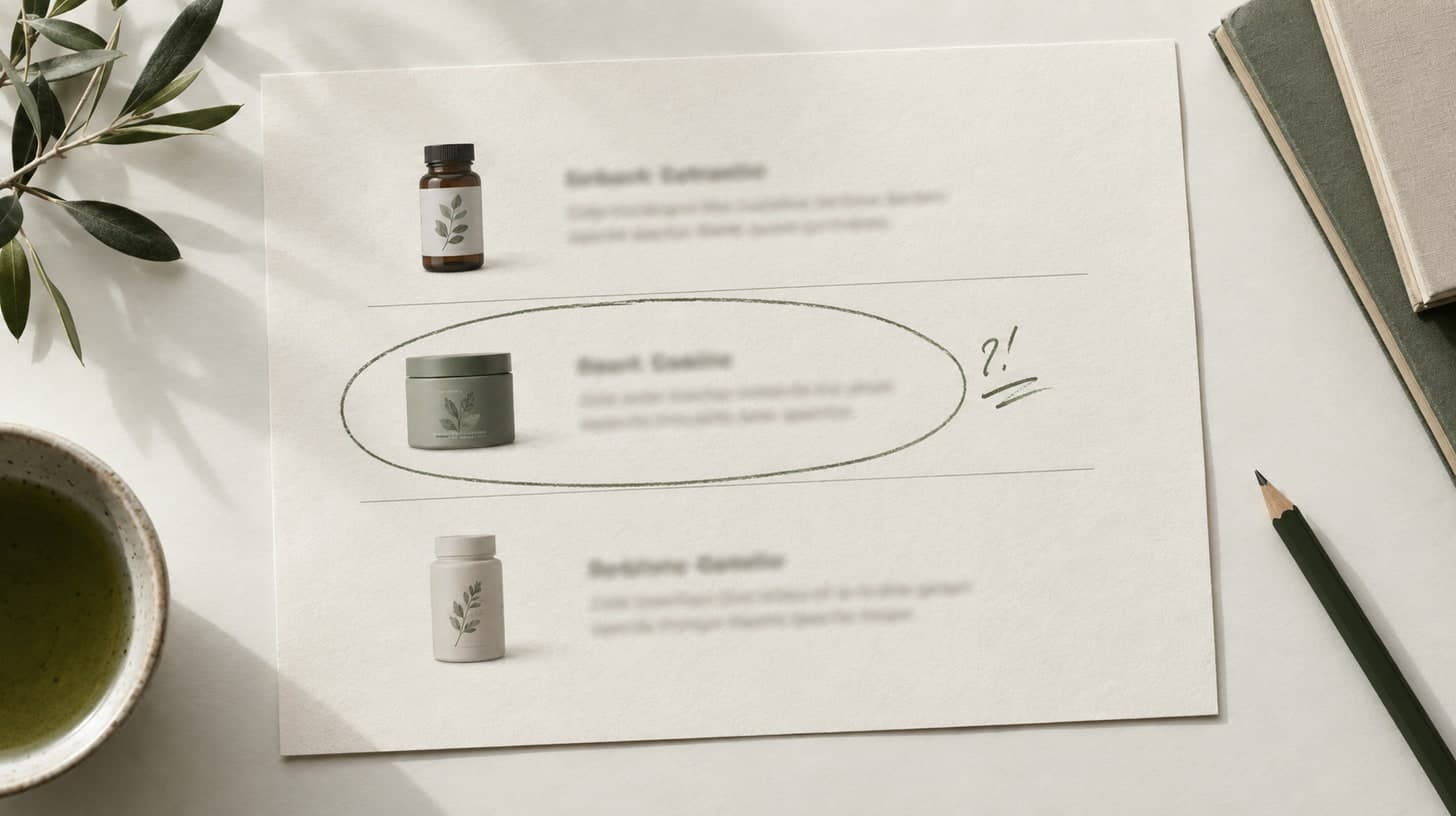
The second is an absence with a cause. A brand missing from a qualified answer where a competitor appears, and the competitor’s answer visibly cites a fact (third-party testing, a published formula, an explained ingredient rationale) that the brand has but has never published in a readable place.
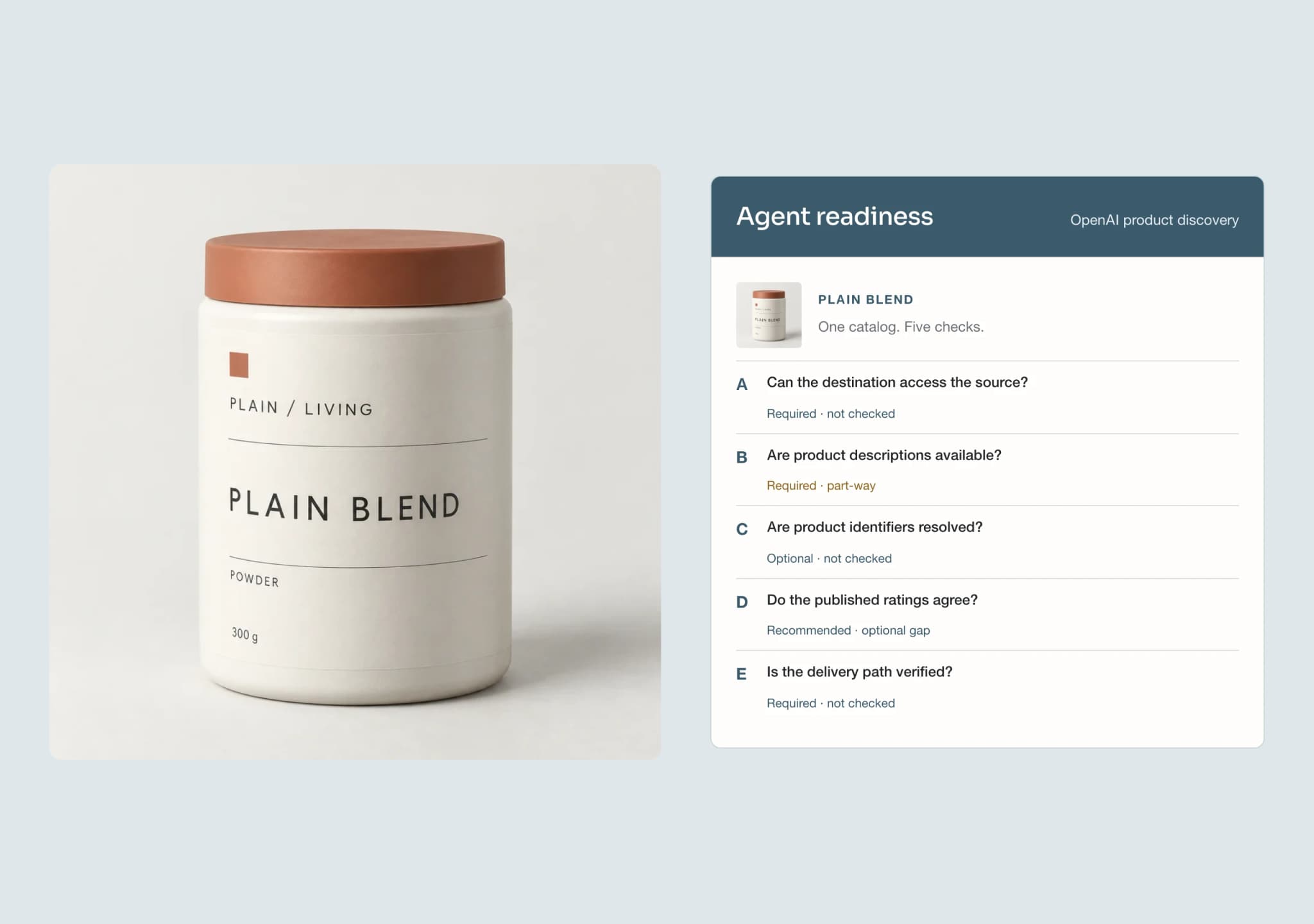
The third is a disagreement between your own sources. When the page, the structured data and the merchant feed say three different things about the same product, an assistant picks one. Which one it picks is not your decision, and seeing it pick the wrong one is usually the moment a founder takes the record seriously.
Everything on those slides is an observation on one date, not a ranking.
The three things it cannot do
It cannot predict placement. Run the same prompts a week later and the ordering moves. Anyone selling a target position is selling something they cannot deliver.
It cannot measure share. The people who build AI-visibility tracking tools say plainly that most methodologies advertised as tracking citation share are unreliable, and that the figures they publish are directional. We do not report a share number, because we would be reporting noise with a decimal point on it.
It cannot promise visibility. Content Stream’s 2026 Supplement Industry SEO Report, reported in August, analyzed Ahrefs July data for 116 US supplement websites. It found that 97% appeared in AI Overviews or ChatGPT, with AI visibility closely tracking organic visibility. That single snapshot does not establish coverage for your brand or its important questions. Our dated observations check appearances and accuracy separately.
Why we still run it
Because the record is usually wrong, and nothing else makes a founder look at it.
A catalog audit is an abstract document. An assistant confidently describing your capsules as a powder, in front of you, on a slide with the date on it, is not abstract. It is the same finding, shown at the moment it matters, and it is the honest version of what this category is actually buying.
The deck records what we observed. The work afterwards is correcting verified problems in the information you control, then repeating the observation. Record changes are checkable line by line; they do not guarantee that the next external answer will be right.
What would this look like for your brand?
Talk directly with a founder about one customer journey, the systems behind it and a focused prototype using your approved products and content.