AI in Practice
AI Search Is Replacing Google. Your Commerce Site Isn’t Ready.
 Ratik3 min read
Perplexity, ChatGPT, and Gemini are changing how people find products. Most commerce sites are invisible to them. Here’s what to do about it.
The Shift Is Already Happening
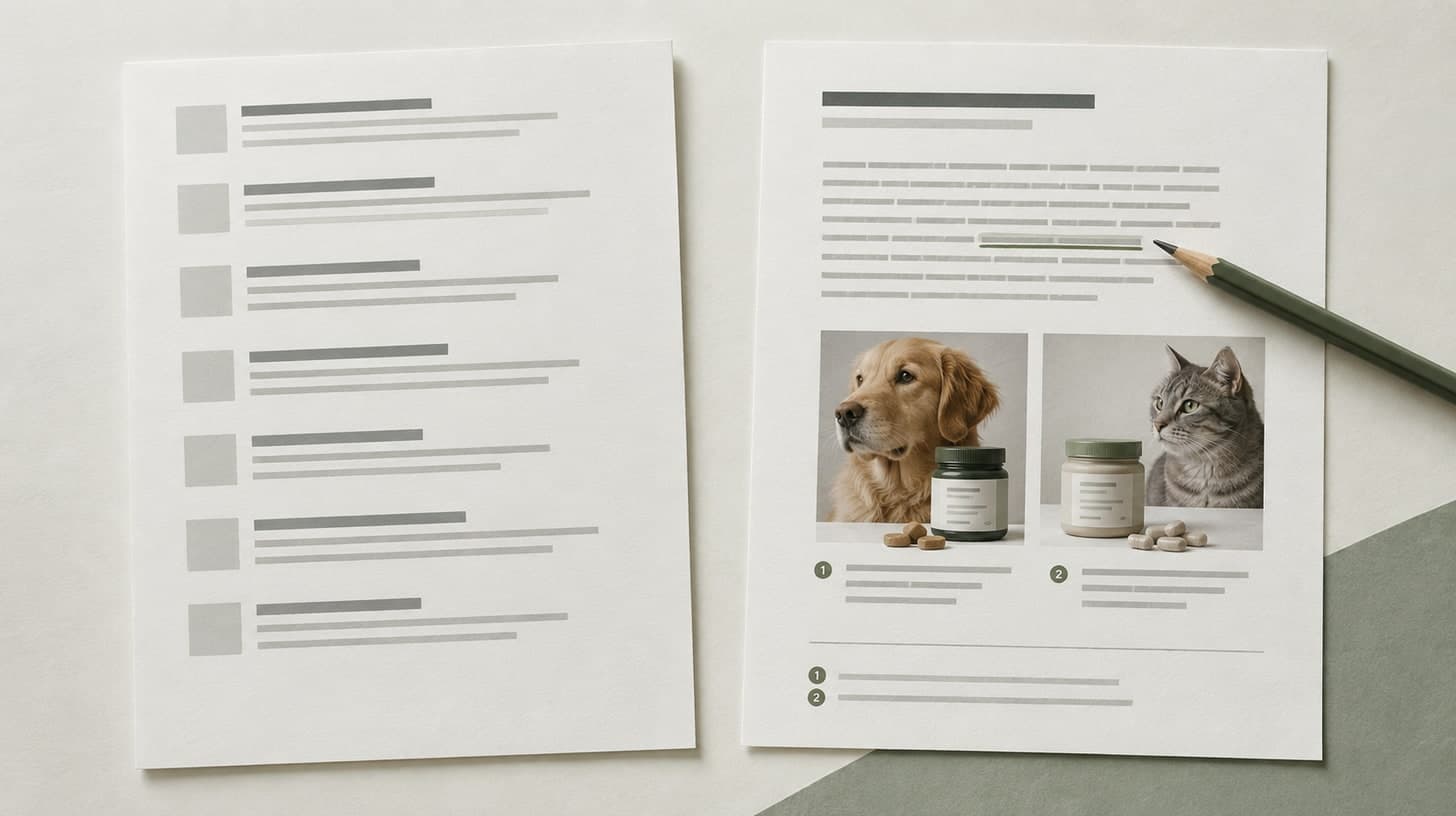
When someone asks Perplexity “best natural dog supplements for joint health,” it doesn’t return a list of blue links. It synthesizes an answer from dozens of sources, names specific products, and links directly to where you can buy them.
If your product pages aren’t structured for this kind of retrieval, you’re invisible to a growing segment of high-intent buyers.
It’s happening now.
Source: Adobe: AI traffic grows but retail sites lag in AI search visibility
Why Traditional SEO Isn’t Enough
For Google AI Overviews and AI Mode, the existing Search requirements still apply. Google’s guidance says there are no additional technical requirements or special AI schema. Other discovery destinations need their own requirements check.
A generic product description leaves purchase questions unanswered. Compare the visible page with the approved product record: ingredients, pack size, intended use and evidence for any comparison or certification. Clear facts are useful to inspect; they do not establish how a platform ranks or recommends a product.
The sites that show up in AI-generated answers tend to share three qualities: they’re specific about what the product does and for whom, they structure information in a way that’s easy to extract, and they have third-party validation somewhere on the internet.
What “AI-Ready” Content Looks Like
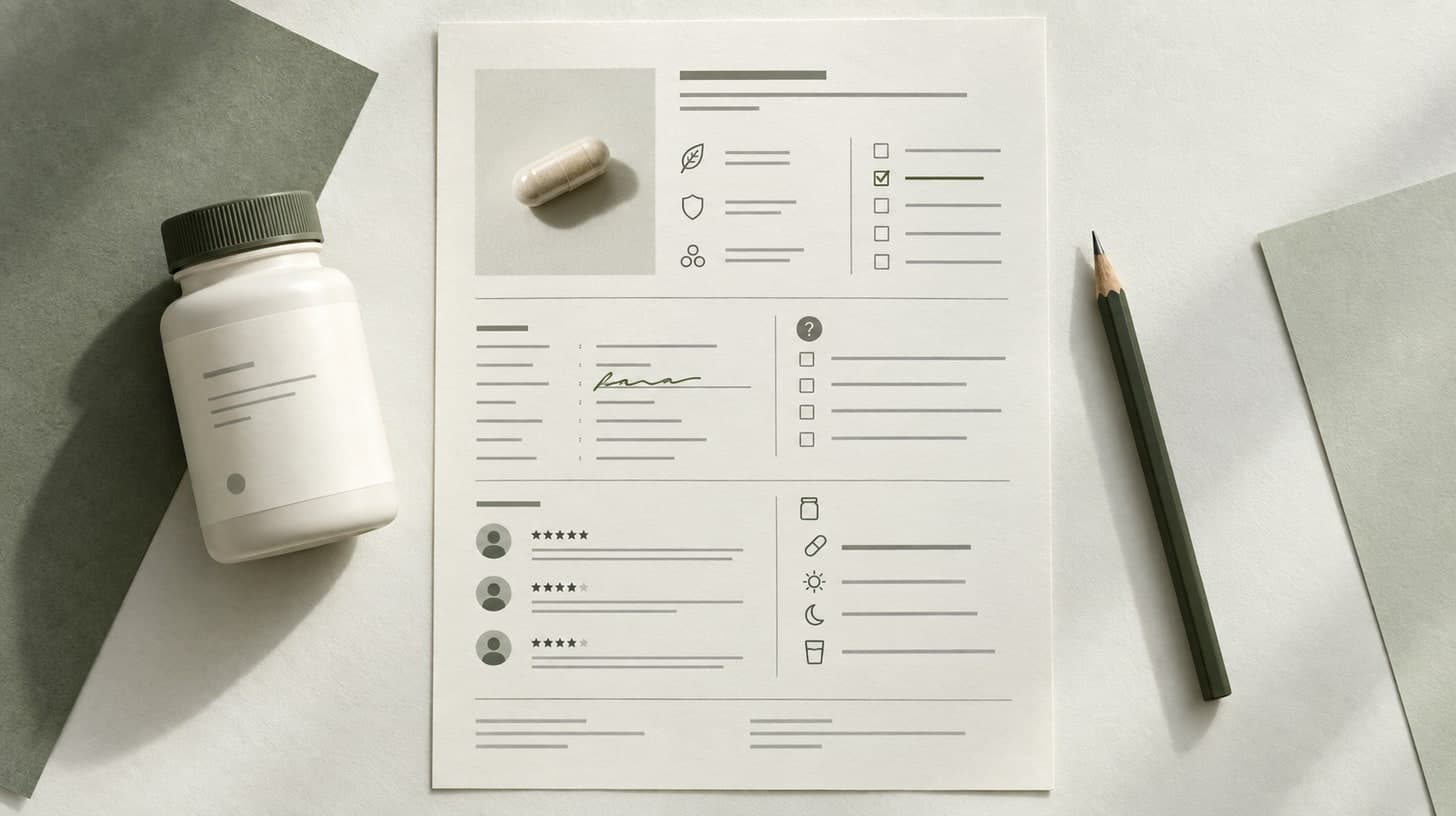
Start with accessible, accurate product information. For Google Search, check indexing and snippet eligibility; for product rich results, follow the applicable Product markup requirements. Keep supported markup consistent with the visible page. JSON-LD, FAQ and Review markup are not universal requirements for appearing in AI answers.
Beyond schema, your content needs to answer real questions. Not marketing copy. Actual answers to the questions people are typing into AI search bars.
“Is this safe for puppies under 6 months?” “How does this compare to Cosequin?” “What’s the actual glucosamine content per serving?”
Publish verified answers where shoppers can find them on the product page. Then inspect dated external answers and their citations separately. Publishing an answer does not guarantee that a platform will cite it.
The Content Gap Most Brands Have
Most DTC brands have three types of content: marketing pages, product pages, and maybe a blog with sporadic posts. There’s a massive gap between what their site says and what potential customers are asking.
That gap is where AI search engines look for answers. And when they can’t find those answers on your site, they find them elsewhere – often on competitor sites or review aggregators that may not present your product favorably.
What To Do About It
Start with what people actually ask. Not what you think they should ask – what they actually type into search. Tools like AlsoAsked, AnswerThePublic, and even just looking at your customer support inbox will surface the real questions.
Then put verified answers on the relevant product pages in clear, visible text. Add structured data only where it describes those facts and meets the requirements of the chosen destination.
Start with your ten highest-traffic product pages. Check the visible facts and supported Product markup against Google’s current feature requirements. Use the Rich Results Test to find supported rich-result markup errors; it does not certify AI visibility. Keep useful customer questions readable without treating FAQPage markup as an admission requirement. Record the date, prompt and platform when checking external answers; an absence is not a diagnosis of missing schema.
What would this look like for your brand?
Talk directly with a founder about one customer journey, the systems behind it and a focused prototype using your approved products and content.